Commercial Market Economics
$250 - $400 per Tanned Skin + $25 - $45/kg Red Meat + $50/kg Feathers
Off-Takers: Western bootmakers (Lucchese, Justin Boots), luxury automotive upholsterers, health-conscious retail butcheries, carnival costume makers.
The 4-Pillar Commercial Model
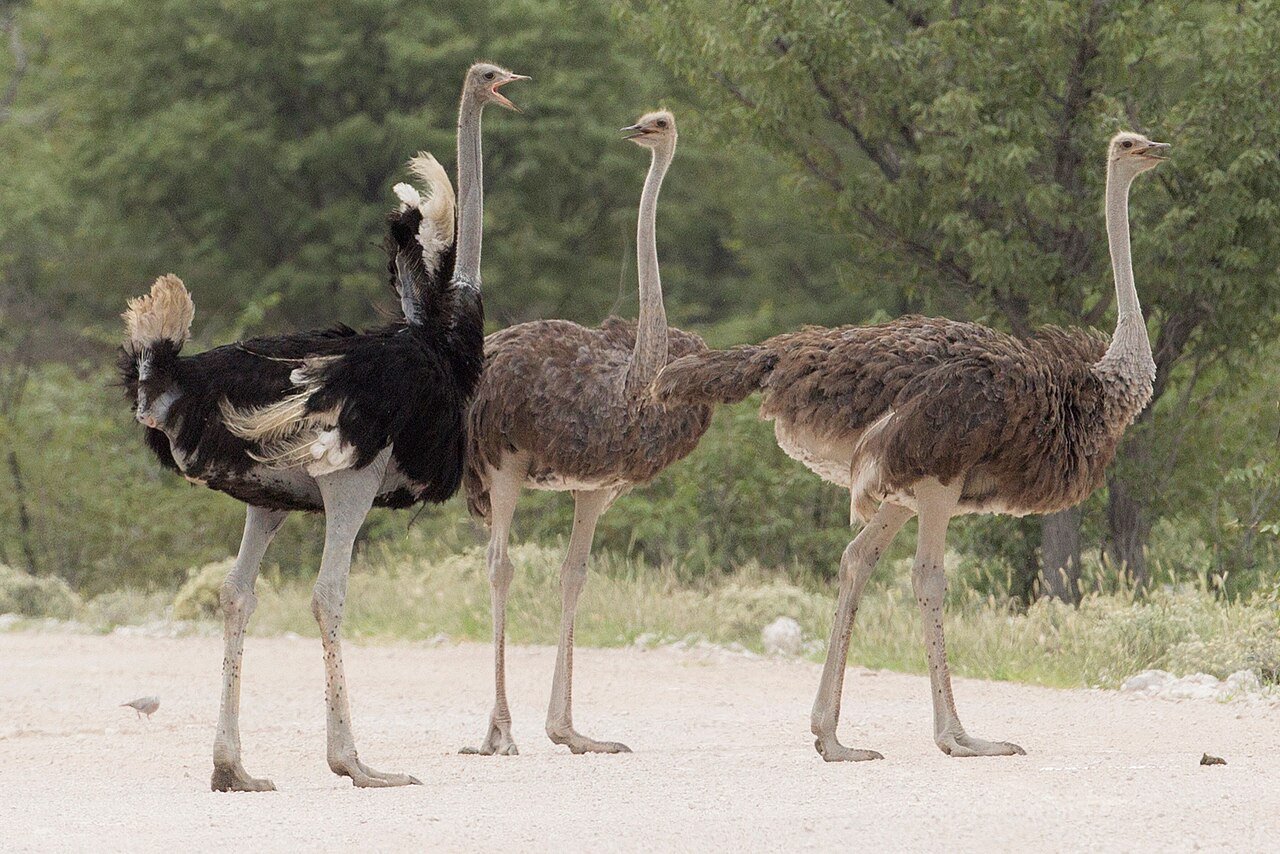
Unlike cattle or poultry which yield predominantly a single product, the commercial African Ostrich (Struthio camelus) is valued across four distinct luxury market streams:
- Full-Quill Follicle Leather: Accounts for 60% of total bird realization. Recognized globally by its distinctive raised crown quill bumps, ostrich leather is extremely durable, soft, and flexible, retailing at $300–$450 per finished skin.
- Gourmet Lean Red Meat: Each mature 100kg bird yields 30–35 kg of premium boneless steaks and fillets. The meat tastes identical to prime beef but contains lower cholesterol than turkey and virtually zero fat (under 1.5%), making it the premier cardiac-wellness meat.
- Feathers & Down Plumes: 1.2 to 1.8 kg harvested per bird for fashion millinery, carnival costumes, and industrial electrostatic microchip dusters.
- Decorative Porcelain-Like Eggshells: Blown infertile shells sell at $35–$60 each for artisan carving and decoupage; fertile hatching eggs fetch $100–$150.
Slaughter Weight
100–110 kg
Slaughter Age
10–12 Months
Net Margin
38% – 54%
Paddock Engineering & Safety Fencing
Ostriches are powerful sprinting birds capable of reaching 70 km/h. Enclosures must be engineered to prevent collision trauma and skin damage:
- Fencing Standard: Erect 1.8m to 2.0m high smooth high-tensile wire fencing (5 to 8 strands) or post-and-rail timber. Never use barbed wire; it rips skin and ruins leather classification.
- Paddock Geometry: Construct long rectangular runs (minimum 50m long by 15m wide) to give birds distance to sprint, decelerate, and exercise leg tendons.
- Curved Corners: Round off all paddock corners with diagonal corner boards to prevent birds cornering or trampling flockmates during panic storms.
Critical Early Chick Brooding (0–90 Days)
The first 3 months determine farm profitability. Adult ostriches are virtually indestructible, but newly hatched chicks are vulnerable to stress and impaction:
- Anti-Impaction Flooring: Never raise 0–8 week chicks on loose sand, fine wood shavings, or straw. Chicks peck reflexively and die from fatal gizzard sand impaction. Use textured non-slip rubber mats, astro-turf, or pea gravel.
- Temperature Gradient: Maintain radiant infrared brooding heat at 32°C during week 1, lowering by 2°C weekly until ambient temperature is reached.
- High-Protein Starter Diet: Feed 22% crude protein ratite starter crumbles blended with finely chopped fresh lucerne (alfalfa) to stimulate natural feeding pecks.
Pasture Grazing & Concentrates
Ostriches are hindgut fermenters capable of converting fibrous pasture into meat:
- Pasture Grazing: Rotate across irrigated lucerne (alfalfa), clover, or Rhodes grass paddocks to cut expensive concentrate pellet requirements by 40%.
- Grit & Insoluble Granite: Supply clean coarse granite river stones and limestone grit 24/7. Without hard stones in the muscular gizzard, whole grains pass through undigested.
- Shaded Freshwater: An adult ostrich drinks 15 to 20 liters of water daily in warm weather. Shading water troughs prevents warm bacterial proliferation.